Fast food before fast food
The buffet is part of everyday life in Trieste. People drop in for a midday snack, a lunch break or a hot dish in the evening, and often eat standing at the counter. That's why buffets are described as fast food ante litteram.
Origins
Buffet cooking was born in the Trieste of the Austro-Hungarian Empire, the port of Central Europe. Its signature dish, the caldaia, came from reusing the meats that flavoured broths, and was served from early morning to people on their way to work. Some buffets still open today date back to the late 19th century.
The caldaia
In the caldaia, pork simmers and keeps warm all day long. The "misto di caldaia" is a plate with a bit of everything in the pot:
- porzina: pork shoulder or neck, slowly boiled;
- cotechino and zampone sausages;
- Vienna, as frankfurters are called in Trieste;
- Cragno, a smoked sausage from the Karst;
- tongue, pork belly and smoked pork loin.
Sides, sauces and drinks
The meats are served with sauerkraut (in Trieste dialect capuzi), cren, that is grated horseradish, and mustard, with bread. To drink, traditionally, a lager or a glass of wine.
Buffet da Vittorio
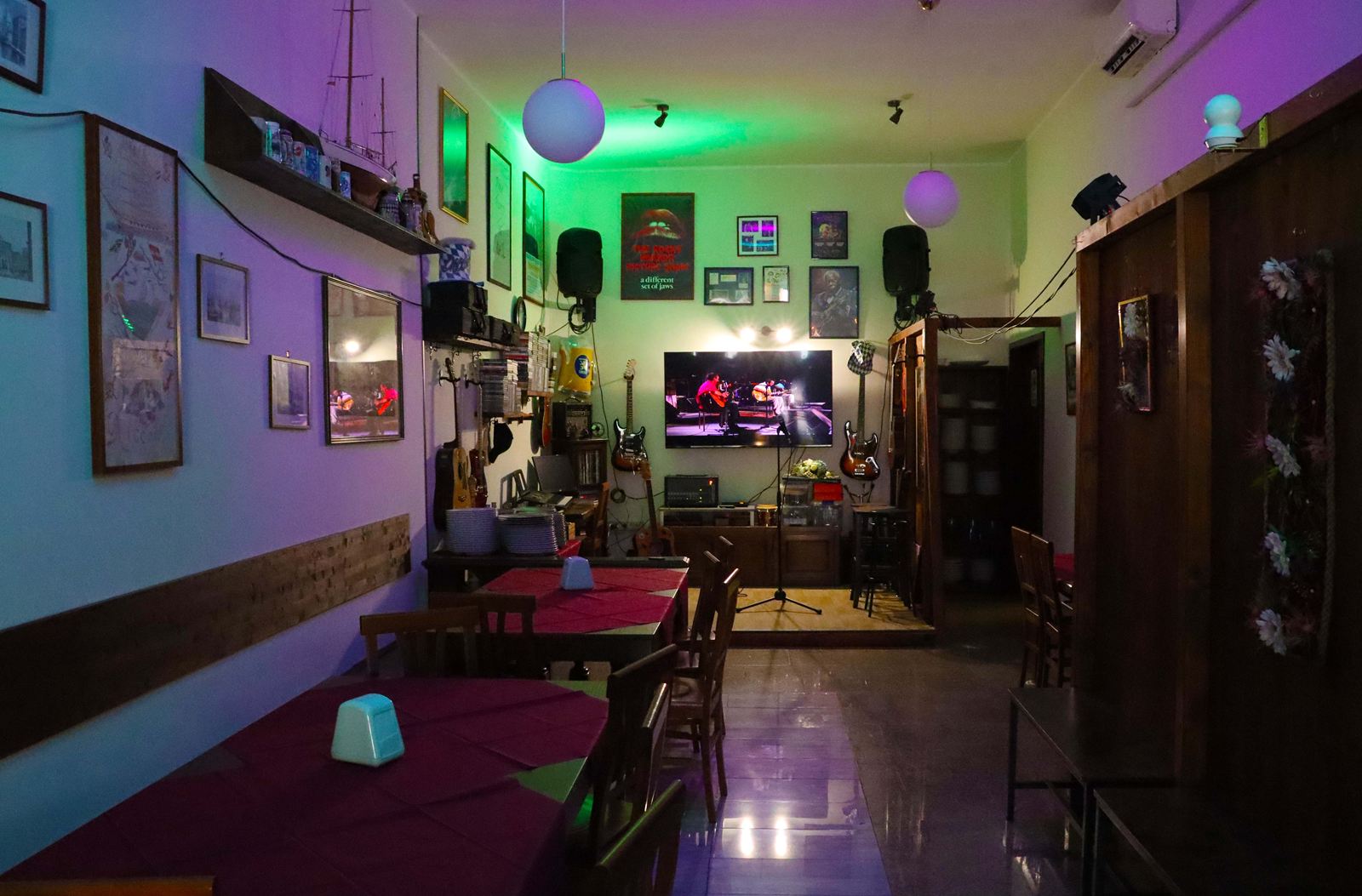
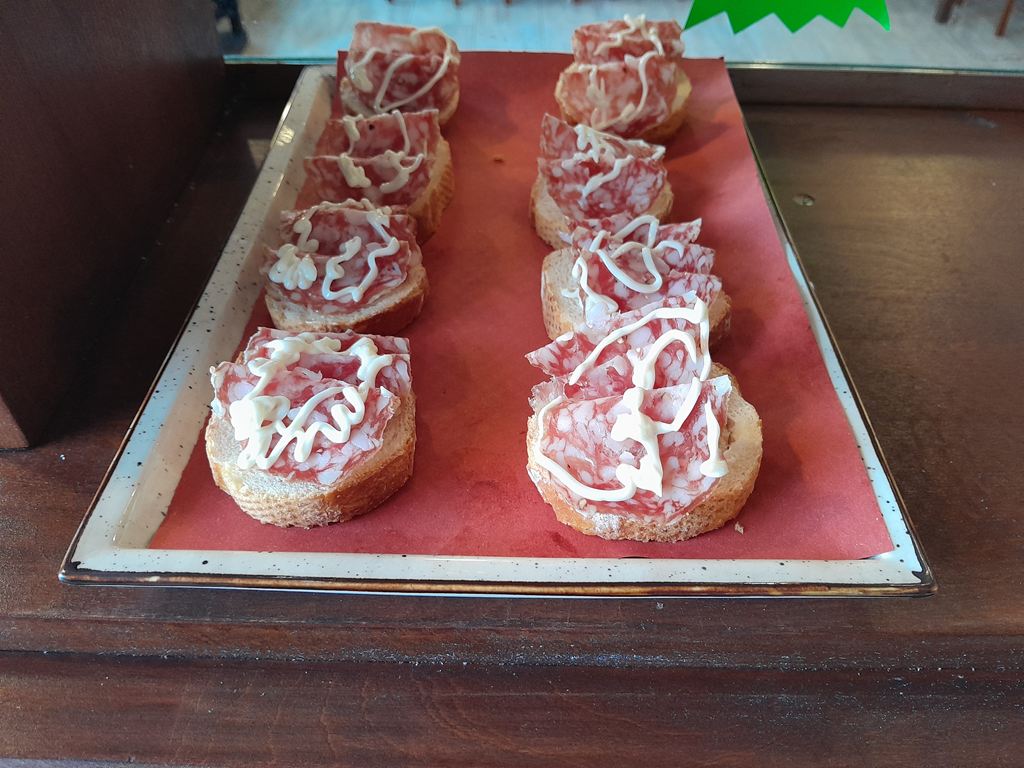
Buffet da Vittorio is a buffet founded in 1933, now at Via Carducci 30/A. At the counter there's hand-carved cooked ham (cotto taià a man) with horseradish and mustard, canapés, polpette and breaded vegetables, best with a glass of wine. At the table you can order Trieste dishes such as gnocchi with homemade goulash.
Sources
- Virtù Quotidiane — «Il bollito misto non è solo piemontese, ecco la storia della "caldaia" triestina» (in Italian) (opens in a new tab)
- Good Morning Trieste — «Profumo di caldaia: i buffet di Trieste» (in Italian) (opens in a new tab)
- Di Testa e di Gola, 1 August 2025 — «I segreti dei buffet triestino» (in Italian) (opens in a new tab)